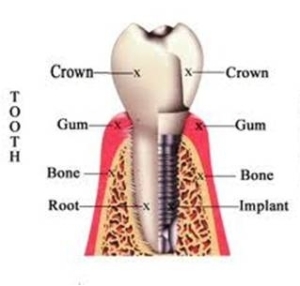

A cavity forms in a tooth through a natural process in the mouth that breaks down the hard surface covering the tooth called enamel. When the enamel weakens, it leaves the tooth vulnerable to decay. The ongoing decay of enamel leads to the formation of a cavity.
What Goes On In the Mouth
The mouth naturally has hundreds of different types of bacteria on the teeth, tongue, and gums. Some of the bacteria are helpful, and others are harmful. These bacteria combine to form a sticky, colorless film called plaque. Dental plaque bacteria use the foods and drinks you consume throughout the day that contains sugars and starches (like cookies, juice, candy, bread, soda, milk, etc.) to create acids. The acid is what begins to eat away at the enamel covering the teeth.
Saliva naturally contains minerals like calcium and phosphate. These minerals along with fluoride from water, toothpaste, and other sources work together to help the enamel repair itself. The natural process throughout the day; the acid attacks the tooth enamel causing it to lose minerals and saliva helps to replace the minerals to restore the enamel.
Cavity Formation
A tooth repeatedly exposed to acid attacks will cause the enamel to lose more minerals than it can replace. The mineral loss leads to a weakening of the enamel, which may have a white-colored appearance and is an early sign of enamel decay. If more minerals are lacking due to ongoing decay, the enamel will weaken and be destroyed, and a cavity will form. The cavity will need to be repaired by a dentist with a filling because the minerals in the saliva will no longer be capable of repairing the damage.
Prevention
To prevent cavities from forming, these are the recommended steps to take:
Questions? Contact Southfield Family Dental today!