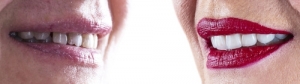

Among many dental emergencies, one of the most frightening is a broken front tooth. A front tooth that is broken impairs your ability to eat or drink anything without discomfort. A broken tooth can happen for a variety of reasons, but we focus on the three main types of trauma that lead to a broken front tooth.
The Tooth is Loose
Just like the head, teeth can have concussions as well. The result of a loose tooth is either a hit or a hard impact on the mouth. The impact is usually coupled with pain and bleeding. If the tooth is still intact after the hit, and depending on the force of the hit, the tooth might still have damage. A tooth intact after a hard hit might have damage that isn’t visible to the eye. It’s important to contact a doctor to prevent the loose tooth from developing more damage.
A Broken Tooth
A tooth that is broken consists of a piece that is knocked out and/or exposing the root and pulp. If your tooth is broken, the pain will be severe and you will need to visit a dentist ASAP. If the broken tooth is left untreated, this can lead to severe pain, infection and the potential medical emergency.
Tooth Avulsion
A dental avulsion is when the tooth has been completely knocked out. This will cause severe pain and bleeding. Apply pressure to the area to stop the bleeding and contact a doctor.
In many cases, the dentist will x-ray the area of the teeth that are affected to determine how severe the situation is. They will then come up with a treatment plane and get you on the road to recovery. If you need a reliable dentist, contact the team at Southfield Family Dental today!