

If you have tried to brighten your smile but still notice stubborn discoloration, you may wonder why whitening does not seem to work evenly.
When considering teeth whitening in Southfield, MI, it is helpful to understand that not every tooth stain has the same cause or responds to treatment in the same way. The type, depth, and source of discoloration can all affect your results, making a dental evaluation an important first step.

Many stains develop on the outer surface of the teeth. Common habits and foods can gradually leave behind discoloration, particularly when they are consumed frequently.
Some common sources of surface staining include:
Professional dental cleanings may help remove some surface buildup, while professional whitening can often improve certain types of external discoloration. However, results can vary depending on how long the staining has been present and how deeply it has affected the teeth.
Not all discoloration is found on the outside of the tooth. Some stains develop within the tooth structure, making them more challenging to address with traditional whitening.
Deeper discoloration may be associated with factors such as:
Some types of internal or developmental discoloration may not respond as predictably to traditional whitening. However, stubborn staining does not necessarily mean you have no options. A dentist can evaluate the cause and recommend an appropriate approach.
Whitening treatments work by breaking down certain stain molecules in natural tooth structure. Because stains can develop for different reasons and at different depths, results are not always identical from one patient to another.
Existing dental restorations can also affect the appearance of your smile. Crowns, veneers, and fillings generally do not whiten in the same way as natural enamel. If you have visible restorations, whitening your natural teeth may create a shade difference.
For this reason, having your teeth evaluated before whitening can be especially helpful when discoloration is severe, uneven, or difficult to explain.
The best treatment depends on what is causing the discoloration. Depending on your individual situation, your dentist may discuss options such as:
The goal is not simply to make teeth whiter. Treatment should provide results that complement your smile while supporting your overall oral health.
No. Some types of internal discoloration may not respond fully to traditional whitening treatments.
Generally, no. Dental restorations do not change color in the same way natural tooth enamel does.
A dentist can evaluate the cause of your discoloration and discuss alternative cosmetic treatments that may better address your specific concerns.
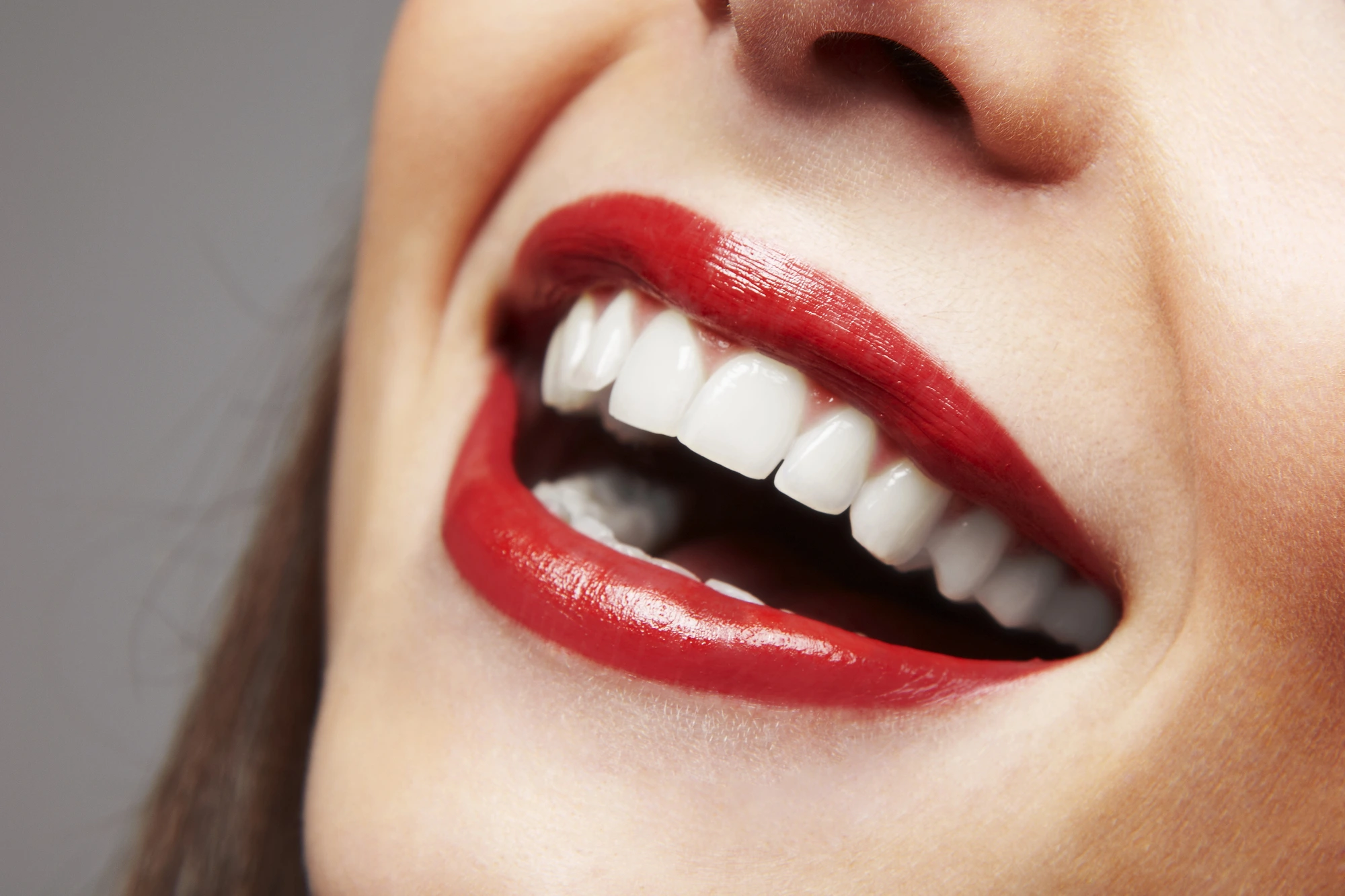
Stubborn tooth stains can have many causes, and understanding the source of your discoloration can help you choose the right treatment. At Southfield Family Dental, instead of repeatedly trying whitening products without knowing why they are not working, we approach every treatment taking into account our patients' individual situation.
Schedule an appointment today to discuss your smile goals and explore personalized whitening or cosmetic options.